How cannabis flower imports into Germany are structured — authorisations, the two-permit system, quality expectations and realistic timelines for a first shipment.
Germany is the largest medicinal cannabis market in Europe, and for most growers outside the EU it is the first destination worth understanding properly. The rules there have moved significantly in recent years, so this article deliberately describes the structure of an import rather than quoting provisions that may since have changed. Verify the current requirements with your German regulatory advisor and the competent authority before acting on anything here.
Who can import
Importing medicinal cannabis into Germany is not something a buyer does casually. The importer is an authorised entity — typically a pharmaceutical wholesaler, manufacturer or importer holding the relevant German authorisations, with a qualified person and premises that meet the applicable standards.
If you do not hold those authorisations yourself, the practical route is to partner with an entity that does. Many international buyers underestimate this and spend months negotiating supply before discovering they have no lawful path to receive the goods. Settle the importer of record first.
The two-permit structure
Controlled cannabis moves under paired authorisations, and the sequence is fixed:
- The German importer applies for an import authorisation covering a defined product, quantity and named exporter.
- That authorisation is provided to the exporter in the origin country.
- The exporter applies for the matching export authorisation in that country.
- The consignment ships only once both exist, strictly within the quantities stated.
Two consequences follow. First, quantities matter from the beginning — permits are issued against specific amounts, so changing an order size usually means restarting paperwork rather than amending it. Second, the exporter cannot move faster than the importer. If a supplier promises a shipment date without an import authorisation in hand, the date is not real.
What the German side will expect of the product
Beyond authorisations, product acceptance turns on quality evidence. Expect scrutiny of:
- Cannabinoid content against the declared specification, with the THC figure measured the way your market defines it
- Contaminant testing — pesticides, heavy metals, microbial load, mycotoxins, residual solvents where applicable
- Cultivation standard at origin, normally GACP for raw plant material
- Batch traceability from the delivered quantity back to a cultivation block and harvest
- Packaging and labelling suitable for the intended pharmaceutical use, and appropriate transport conditions
Where the product will be released as a medicinal product, GMP obligations attach to the manufacturing and release steps in the chain. Be clear about which party in your chain carries that, because it is rarely the farm.
Documentation to line up
- Import authorisation (importer) and export authorisation (exporter)
- Certificate of analysis from an accredited laboratory, tied to the batch being shipped
- Batch and lot records from the origin site
- Commercial invoice and packing list, with descriptions matching the permits exactly
- Certificate of origin, and phytosanitary certificate where required
- Transport documentation and, where relevant, evidence of transport conditions
Keep the product description identical across all of these. A discrepancy between the wording on a permit and on an invoice is the most common avoidable reason for a consignment being held.
A realistic timeline for a first shipment
Sequenced honestly, a first import from a new non-EU origin typically runs across several months:
- Supplier due diligence and sample assessment, including your own independent testing
- Specification agreement and commercial terms
- Import authorisation application on the German side
- Export authorisation application at origin, once the import side is issued
- Production or allocation of the batch, then freight and customs clearance
Subsequent shipments under an established relationship are considerably quicker, because the specification, the counterparties and the documentation pattern are already proven. This is precisely why most serious buyers move to a supply agreement with scheduled volumes rather than repeating spot purchases.
Questions worth asking your origin supplier
- Have you exported to Germany or another EU market before, and what did that consignment look like?
- Which site will supply my order, and what is that site authorised to do?
- What cannabinoid profile can you hold consistently, and with what tolerance across batches?
- Which laboratory performs your testing, and can I see a batch-linked certificate of analysis?
- What is your minimum order quantity, and what volume can you commit to per cycle?
- Which documents do you issue, and which do you expect from me?
Sourcing from South Africa
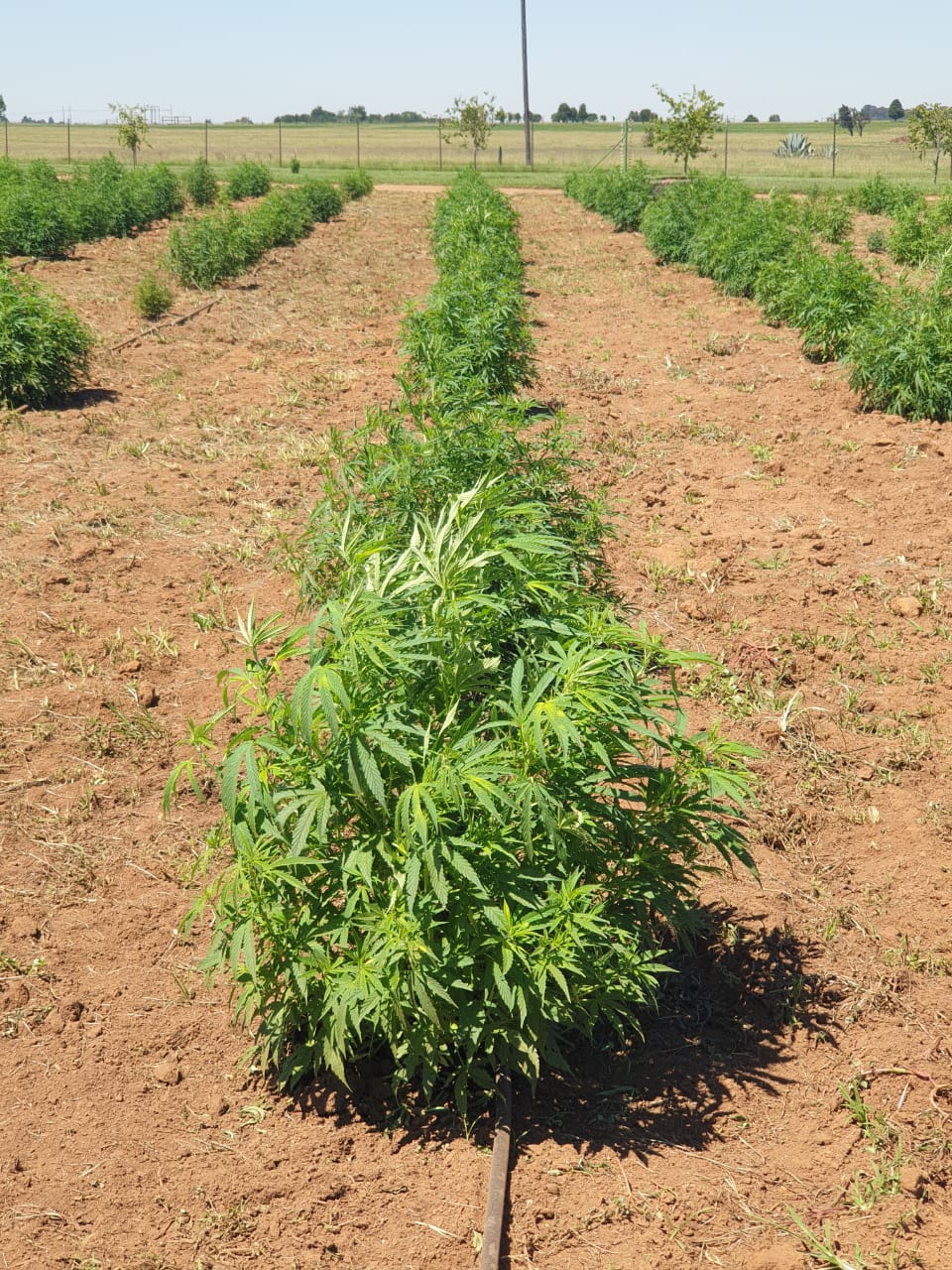
South Africa's climate allows outdoor and greenhouse cultivation at a cost base that is difficult to match in Europe, which is why it appears on more and more European sourcing shortlists. The variable is not whether product can be grown — it is whether a given grower can document and repeat it at commercial volume.
Genesis Farms is a group of South African cannabis farms growing CBD and THC for export to Europe and the United States, managing cultivation in-house across greenhouses, nurseries and open fields. We supply commercial buyers at wholesale minimum order quantities. If you are scoping a German or wider European import, send us your specification and target volume and we will tell you plainly what we can hold and what documentation we provide.