A buyer's guide to the difference between GACP cultivation standards and EU-GMP manufacturing standards in the cannabis supply chain, and where each one applies.
Two acronyms dominate every conversation about cannabis quality in Europe: GACP and GMP. They are frequently used as if they were interchangeable badges of seriousness, and they are not. They cover different stages, they are assessed differently, and asking for the wrong one is one of the fastest ways to stall a sourcing project.
Here is the practical distinction, and how to work out which standard your purchase actually requires.
GACP: the standard for growing
GACP stands for Good Agricultural and Collection Practice. It governs the cultivation and primary processing of plant material intended for medicinal use — how the crop is grown, harvested, dried, handled and documented on the farm.
In practice GACP is about repeatability and traceability at the agricultural stage:
- Documented cultivation procedures, so the same steps are followed every cycle
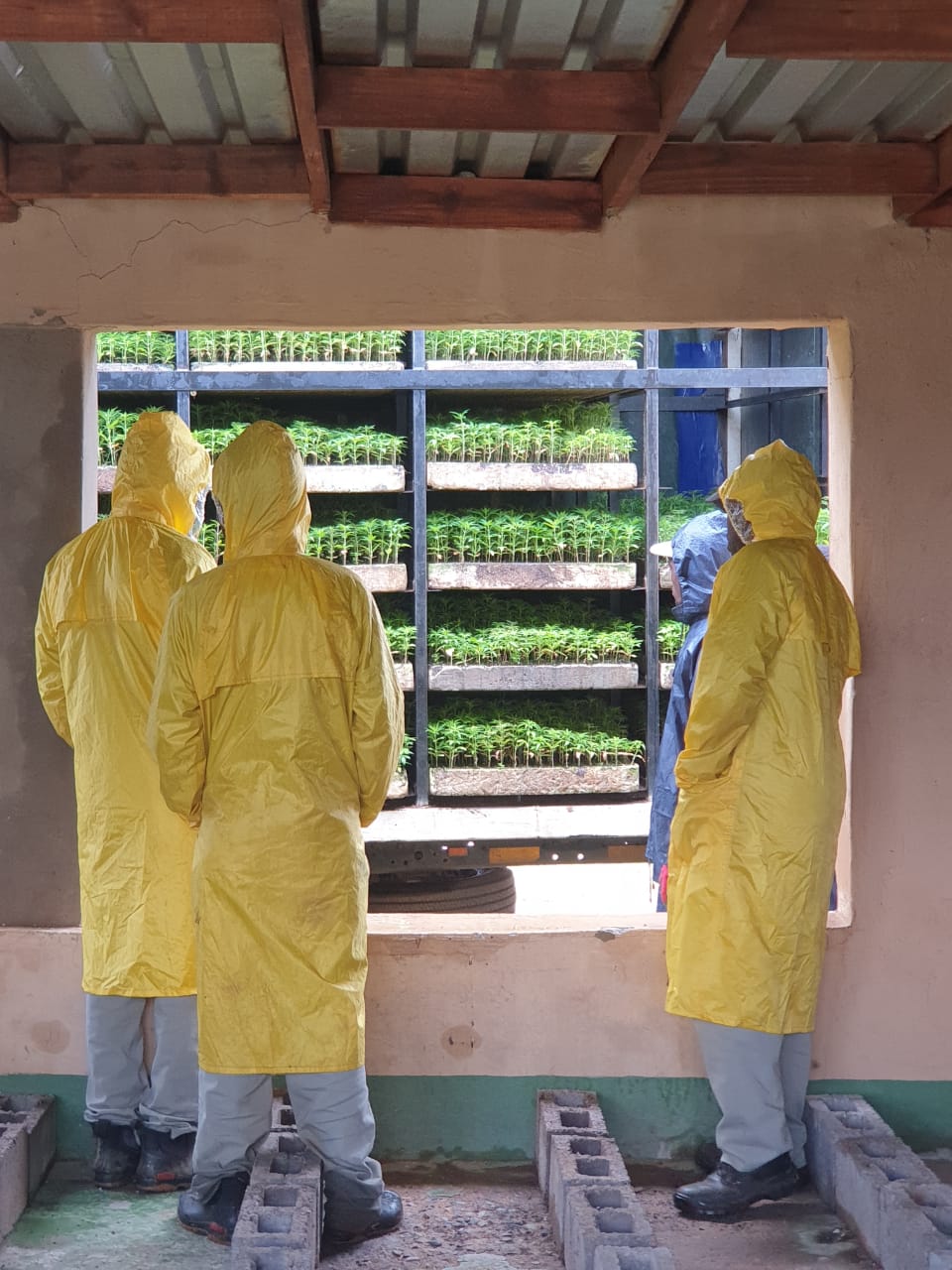
- Seed and propagation material of known identity, with clean nursery practice
- Controlled inputs — water quality, fertiliser and any crop protection used, all recorded
- Harvest, drying and storage conditions that protect the material and are logged
- Batch records that tie a quantity of product to a block, a cultivation cycle and a harvest date
- Trained staff, hygiene controls, and pest management that does not compromise the product
Note what GACP is not. It is not pharmaceutical manufacture, and it does not by itself make raw cannabis into a medicinal product. It makes the plant material suitable as a starting material for one.
GMP and EU-GMP: the standard for manufacturing
GMP stands for Good Manufacturing Practice, and EU-GMP is the European framework of it. It governs the manufacture of medicinal products: processing, extraction, formulation, packaging, quality control release and the whole quality management system around them.
GMP is a substantially heavier lift than GACP. It brings in qualified personnel with defined responsibilities, validated processes and equipment, controlled facilities, a formal quality assurance function, and inspection by a competent authority. Sites that hold it are manufacturing sites, and certification is specific to the site and the activities performed there.
Where the boundary sits in a real supply chain
A typical medicinal cannabis chain running from an African farm into Europe looks roughly like this:
- Cultivation, harvest and drying at the farm — GACP territory
- Export from the origin country and import into the destination, under matching permits
- Processing, extraction or packaging into a medicinal product — GMP territory
- Quality control release and distribution into the market under that market's rules
The boundary is the point at which plant material becomes, or is being prepared as, a medicinal product. Before that line, the relevant assurance is agricultural. After it, it is pharmaceutical.
Which one should you be asking for?
Work backwards from what you intend to do with the product.
- Buying raw flower or biomass as a starting material to process yourself: GACP at the farm is the relevant standard. Your own site carries the GMP obligation.
- Buying product that will be dispensed or sold as a medicine without further manufacture: GMP applies to whoever performed that manufacture, and you need evidence at that level.
- Buying non-medicinal CBD material: neither framework may be strictly required, but THC limits, contaminant testing and your market's product rules still very much apply — and GACP-grade practice is still the difference between a reliable supplier and a gamble.
A frequent mistake is demanding EU-GMP from a cultivator. If your supplier is a farm, the honest answer is that GMP belongs to the processing step, and a farm that claims it for cultivation alone is describing something imprecisely.
How to verify a claim rather than take it
Both standards are about documentation, so treat documentation as the test.
- Ask which legal entity and which physical site the claim applies to, and for what activities.
- Ask for the certificate or audit report itself, with its date and the body that issued or inspected it.
- Ask to see a redacted batch record. A supplier who genuinely works to GACP can show you a batch traced to a block and a harvest without preparing it specially.
- Ask what happens to material that fails specification, and who decides. The answer reveals whether quality control is a function or an afterthought.
- Where your volume justifies it, audit the site yourself or commission a third-party audit before a first shipment.
Standards and their interpretation evolve, and requirements differ between European markets. Confirm the current position for your specific market and product with your regulatory advisor rather than relying on a general guide.
Why this matters commercially, not just legally
Buyers sometimes treat certification as a compliance hurdle. It is better understood as a proxy for variance. A farm with documented procedures, controlled inputs and real batch records produces a narrower range of outcomes, which means fewer rejected batches, fewer arguments about specification, and a price you can plan around. That is worth more over a year of supply than a marginally lower cost per kilogram.
Genesis Farms
Genesis Farms is a group of South African cannabis farms producing CBD and THC at commercial scale for export to Europe and the United States, with cultivation managed in-house from nursery through to harvest across greenhouse tunnels and open fields.
If you would like to discuss cultivation practice, documentation and the volumes we can hold for your market, contact us with your product specification and we will answer specifically rather than generically.